
Research
The activity of the Department of Gene Regulation and Molecular Therapies is interdisciplinary and employs state-of-the-art techniques in molecular biology, biochemistry, and viral transduction in experiments on cell cultures and animal models.
The results are relevant to cellular biology (transcytosis, cellular receptors), gene expression, regulation of proteins involved in lipid metabolism and cardiovascular diseases, as well as the development of new therapeutic strategies. Our main findings have focused on endothelial cell biology, placental transport, and receptor-mediated processes, and are related to:
• Transcytosis of macromolecules and caveolae composition
• IgG receptors in placental endothelium
• Transferrin receptors and transcytosis
Findings in the field of gene regulation outline a coherent regulatory network in which inflammatory signals and metabolic cues shape the expression of apolipoprotein genes (particularly ApoE and ApoC-II) in macrophages and cells associated with cardiovascular diseases, with direct implications for atherogenesis, HDL biology, and oxidative stress. The results define transcriptional checkpoints (STAT1, NF-κB, AP-1, KLF4, CREB, RXRα) and modulating factors (glucocorticoids, thyroid hormones, homocysteine, endotoxin, metformin):
• Inflammatory signaling affects the ApoE promoter
• STAT1 acts as a selective macrophage activator through chromatin looping
• KLF4 and CREB act synergistically to enhance ApoE expression
• Homocysteine suppresses ApoE via NF-κB
• Glucocorticoids differentially regulate ApoE expression depending on cell type
• Endotoxin downregulates ApoE, while metformin attenuates this effect
• Thyroid hormones upregulate ApoE in astrocytes
• STAT1–RXRα cooperativity induces increased ApoC-II expression in macrophages
• Negative regulation of ApoA-I by bisphenol A via NF-κB
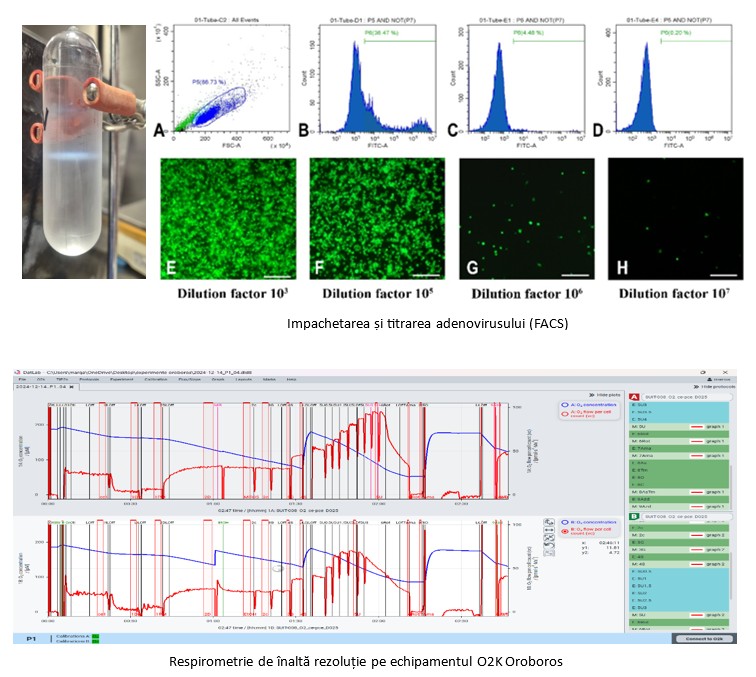
Translational research has focused on engineering mesenchymal stromal cells (MSCs) to overexpress Fas ligand, thereby enhancing their immunosuppressive and cytotoxic capacities. We established a method for adenoviral production and optimized transduction of murine MSCs, making the approach practical and reproducible. The main findings are:
• Generation of a FasL minigene integrated into an adenovirus
• MSC transduction
• FasL overexpression in MSCs increases their ability to suppress and eliminate activated immune cells
• MSC-FasL exhibit enhanced suppression of T cells and other immune effectors
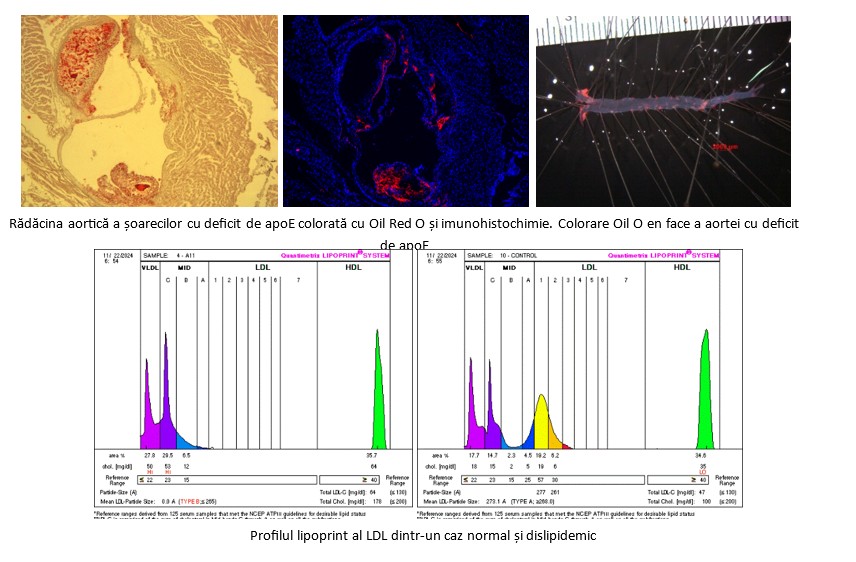
Currently, we are analyzing lipoproteins, identifying the functions of various apolipoproteins in lipid metabolism and their interactions with glucose and energy metabolism. In addition to classical techniques such as ultracentrifugation, Western blot, and real-time PCR, we also use modern investigative tools, including high-resolution mitochondrial respirometry (Oroboros equipment). We can determine lipoprotein subfractions using the Quantimetrix Lipoprotein Subfractions Testing System, an in vitro diagnostic device that measures cholesterol levels in all lipoprotein fractions and LDL subfractions from fasting serum or plasma. Electrophoretic gels are analyzed with Lipoware, a dedicated software program that calculates cholesterol levels in each subfraction.
Gene regulation and molecular therapies