
Projects
Recent findings
Ischemic processes associated with chronic non-communicable diseases: atherosclerosis and diabetes.
An integrative approach for the identification of translational biomarkers in the development of precision medicine.
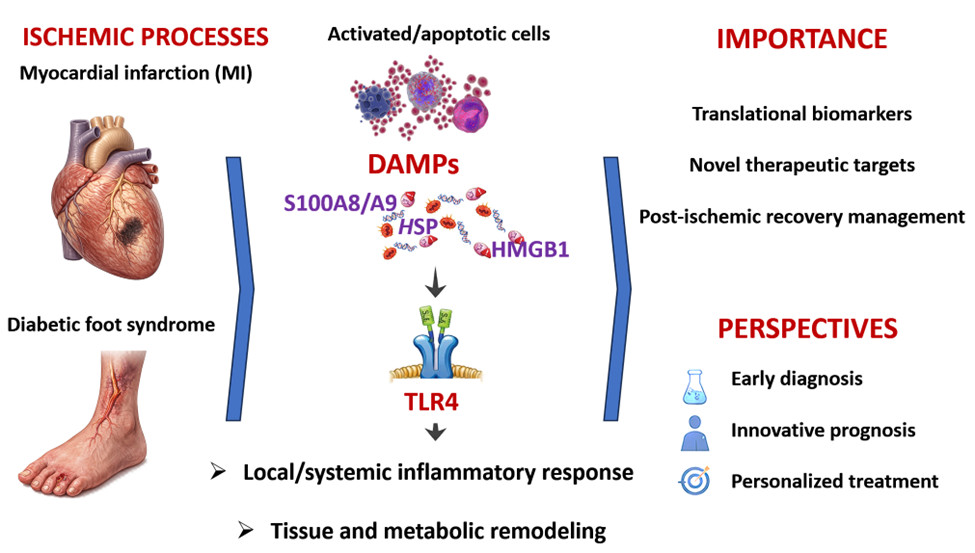
Ischemic conditions such as myocardial infarction and diabetic foot syndrome trigger the release of DAMPs/alarmins (S100A8/A9, HMGB1, HSPs), which activate TLR4 signaling and amplify local and systemic inflammatory responses. In myocardial infarction, early pharmacological inhibition of S100A9 enhances mitochondrial oxidative phosphorylation and promotes efficient ATP production, thereby supporting ventricular contractility and cardioprotection. Increased energy availability during the early post-ischemic phase limits maladaptive remodeling by preventing compensatory hypertrophy and sarcomeric disorganization through reduction of cardiac stress markers. In diabetic foot syndrome, proteomic profiling identified a distinct DAMP-associated signature linked to systemic inflammation and advanced thrombotic stress, capable of discriminating patients with vascular lesions from diabetic patients without ischemic complications. Selective pharmacological inhibition of TLR4 further confirms the involvement of this pathway in sustaining systemic inflammation and highlights its therapeutic potential. Collectively, these findings emphasize the translational relevance of DAMPs and TLR4 signaling as biomarkers, prognostic indicators, and therapeutic targets for personalized management of ischemic diseases.
- Front Immunol. 2026, in revision, IF: 5.9
- Nature Comm. 2026, in press, IF: 15.7
- J Adv Res. 2025, doi: 10.1016/j.jare.2025.01.041. IF:13
- J Cardiovasc Transl Res. 2024, doi: 10.1007/s12265-024-10542-6
- Int J Mol Sci. 2022 doi: 10.3390/ijms23095289, IF: 5.6
Cardiac ATP production and contractility are favorably regulated by short-term S100A9 blockade after myocardial infarction.
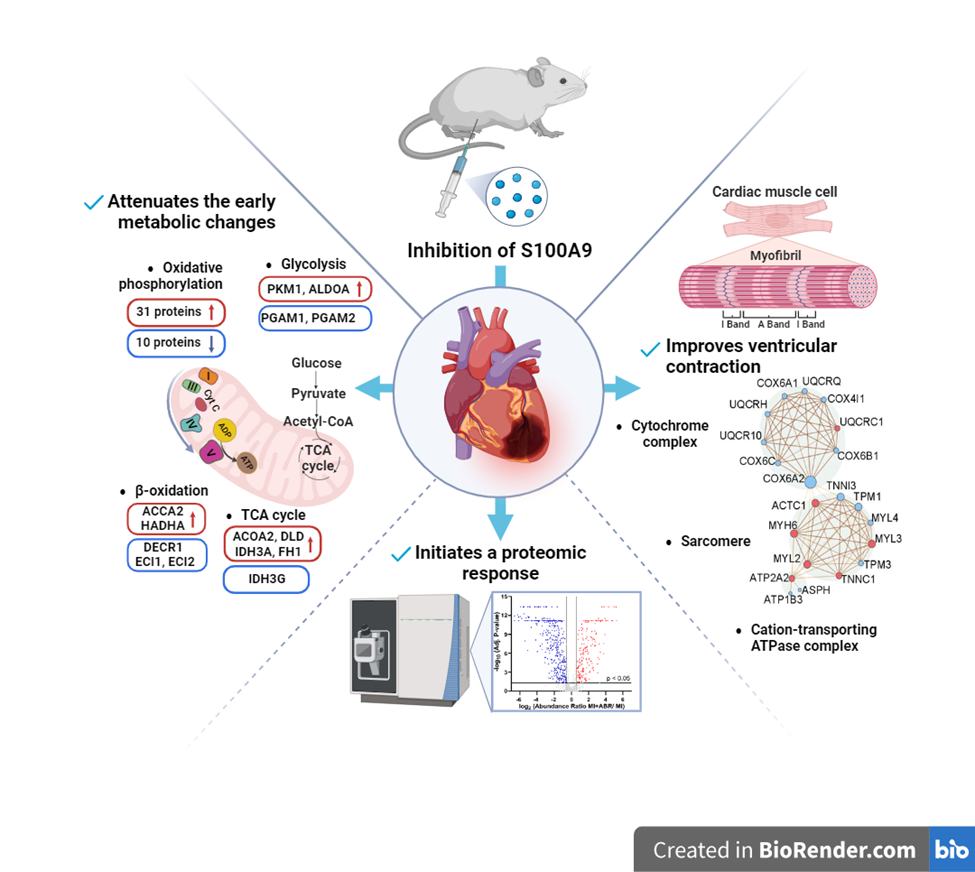
Short-term S100A9 blockade was evaluated in a murine model of myocardial infarction (MI) to determine its impact on cardiac energy metabolism and contractile function. C57BL/6 mice with myocardial infarction (MI), MI treated short-term with the S100A9 inhibitor ABR-238901, and sham controls were used to assess cardiac energy metabolism at 7 days post-injury. Label-free proteomics combined with pathway enrichment and network pharmacology analysis was performed on left ventricular tissue.
A total of 600 differentially abundant proteins were identified in treated versus untreated MI mice, mainly involved in oxidative phosphorylation, TCA cycle, glycolysis, fatty acid β-oxidation, and cardiac contraction. Key metabolic and contractile proteins (including NDUFAB1, UQCRC1, HADHA, ACAA2, ALDOA, PKM1, and TNNC1) were markedly upregulated. ABR-238901 treatment increased myocardial ATP levels by 1.8-fold (p < 0.05).
These findings indicate that short-term S100A9 blockade enhances ATP production and modulates protein networks linked to cardiac contractility after MI.
DOI: 10.1016/j.jare.2025.01.041
Hepatic Alarmins and Mitochondrial Dysfunction under Residual Hyperlipidemic Stress Led to Irreversible NAFLD
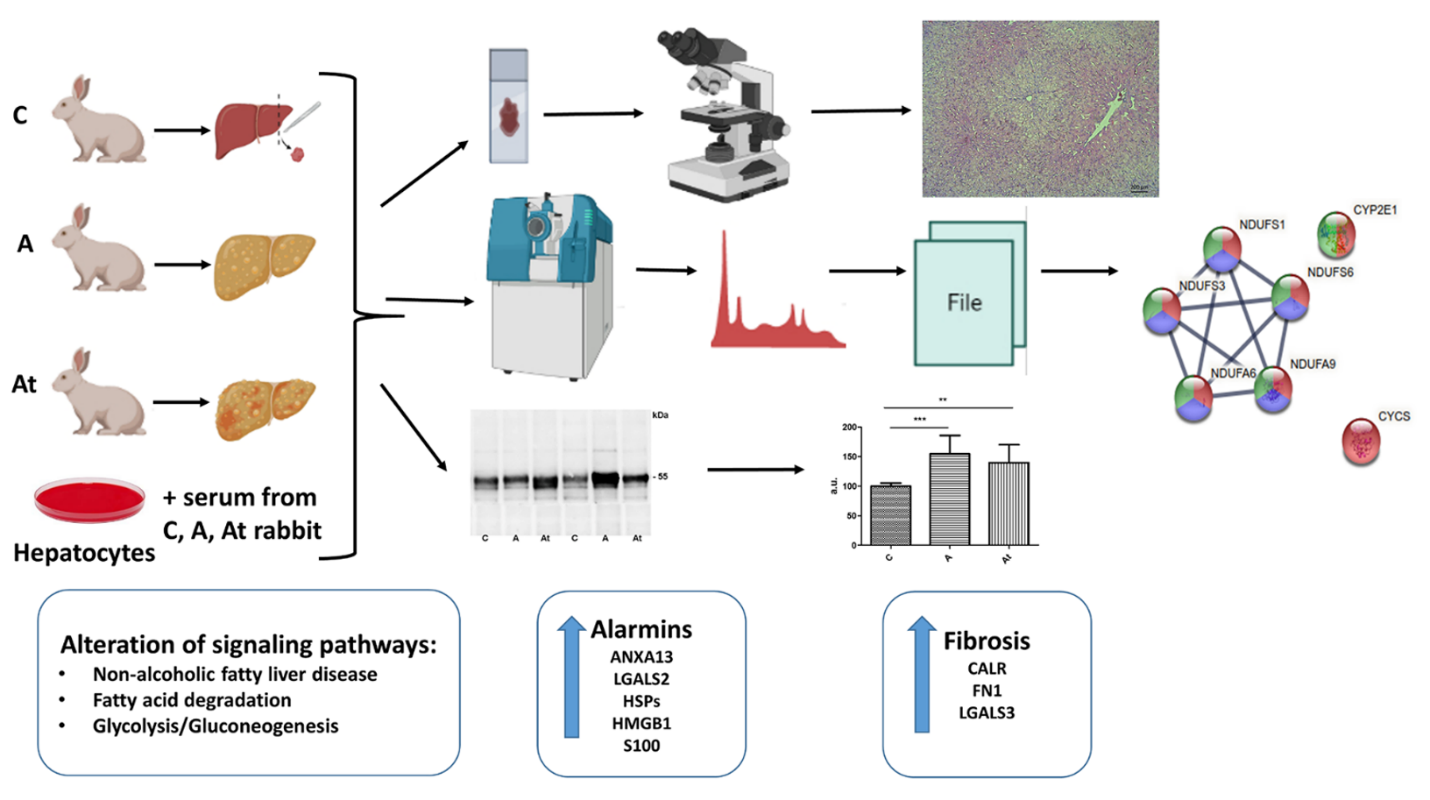
The work flow strategy to identify the main signaling pathways and liver proteome changes induced by hypercholesterolemia in a rabbit atherosclerotic model that determined high accumulation of lipids in the liver. The effect of combined lipid-lowering drugs (statins and anti-PCSK9 monoclonal antibody) were used after the interruption of the hypercholesterolemic diet to identify also the potential mediators, such as alarmins, responsible for the irreversible NAFLD build up under the hyperlipidemic sustained stress. Mitochondrial dysfunction indicated alteration at the mitochondrial respiratory chain level and down-regulation of NADH: ubiquinone oxidoreductase. The expression of cytochromes (P4502E1, b5, and c) were up-regulated by lipid-lowering treatment. Long-term hyperlipidemic stress, even with a low-fat diet and lipid-lowering treatment, was accompanied by alarmin release (annexins, galectins, HSPs, HMGB1, S100 proteins, calreticulin, and fibronectin) that generated local inflammation and induced liver steatosis and aggressive fibrosis (by high abundance of galectin 3, fibronectin, and calreticulin).
Exosome Proteomics Reveals the Deregulation of Coagulation, Complement and Lipid Metabolism Proteins in Gestational Diabetes Mellitus
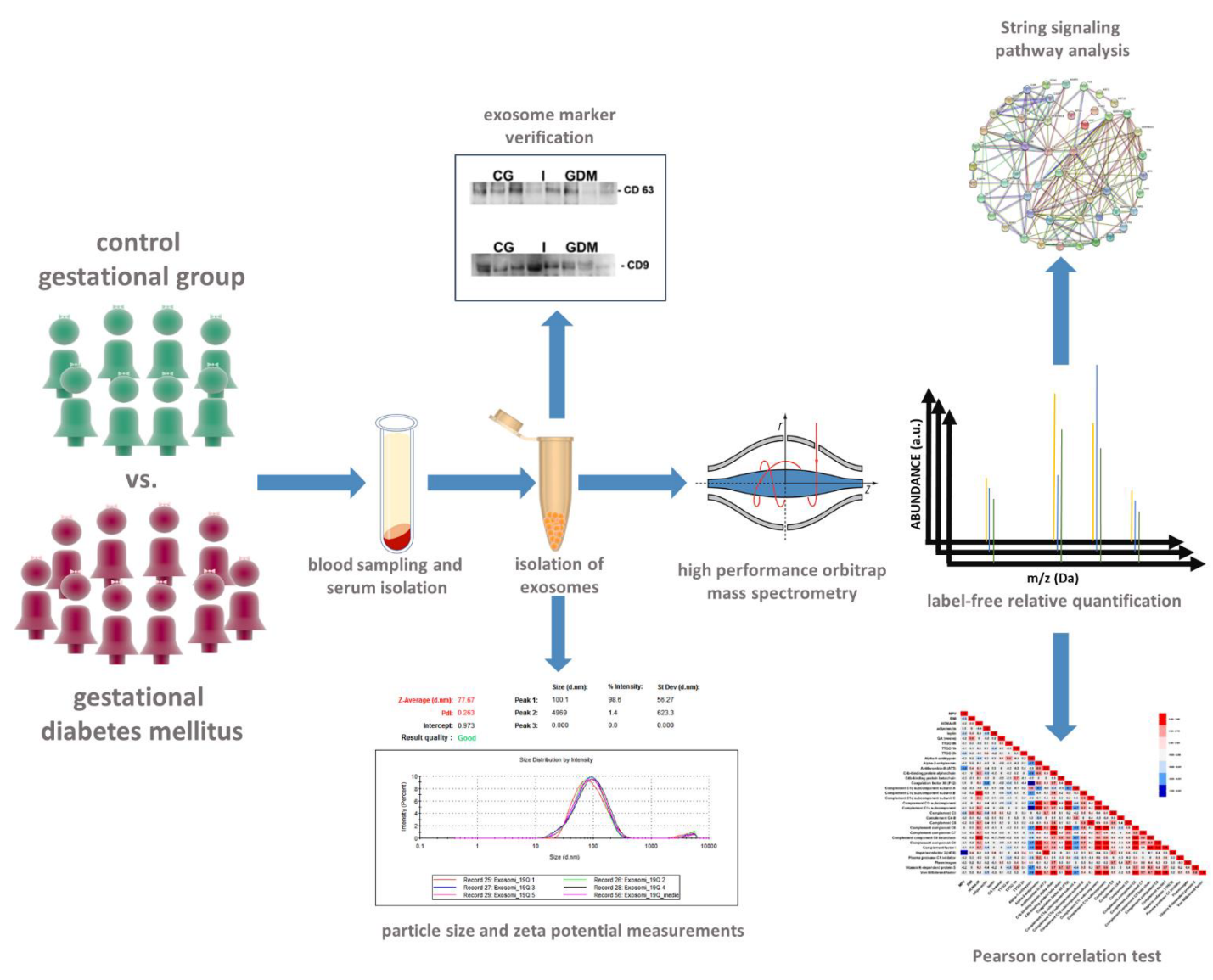
Control subjects (CG) and gestational diabetes mellitus patients (GDM) were used to characterize the serum exosomal protein cargo and associated signaling pathways. Label-free relative quantification was followed by bioinformatic pathway analysis. Pearson correlation was pursued to associate the regulation trend of the differentially abundant molecules with clinical and paraclinical variables. The proteomics analysis revealed 78 significantly altered proteins when comparing GDM to CG, related to complement and coagulation cascades, platelet activation, prothrombotic factors and cholesterol metabolism. Down-regulation of Complement C3 (C3), Complement C5 (C5), C4-B (C4B), C4b-binding protein beta chain (C4BPB) and C4b-binding protein alpha chain (C4BPA), and up-regulation of C7, C9 and F12 were found in GDM. Our data indicated significant correlations between factors involved in the pathogenesis of GDM and clinical parameters that may improve the understanding of GDM pathophysiology.
DOI: 10.3390/molecules27175502
Short-Term Blockade of Pro-Inflammatory Alarmin S100A9 Favorably Modulates Left Ventricle Proteome and Related Signaling Pathways Involved in Post-Myocardial Infarction Recovery
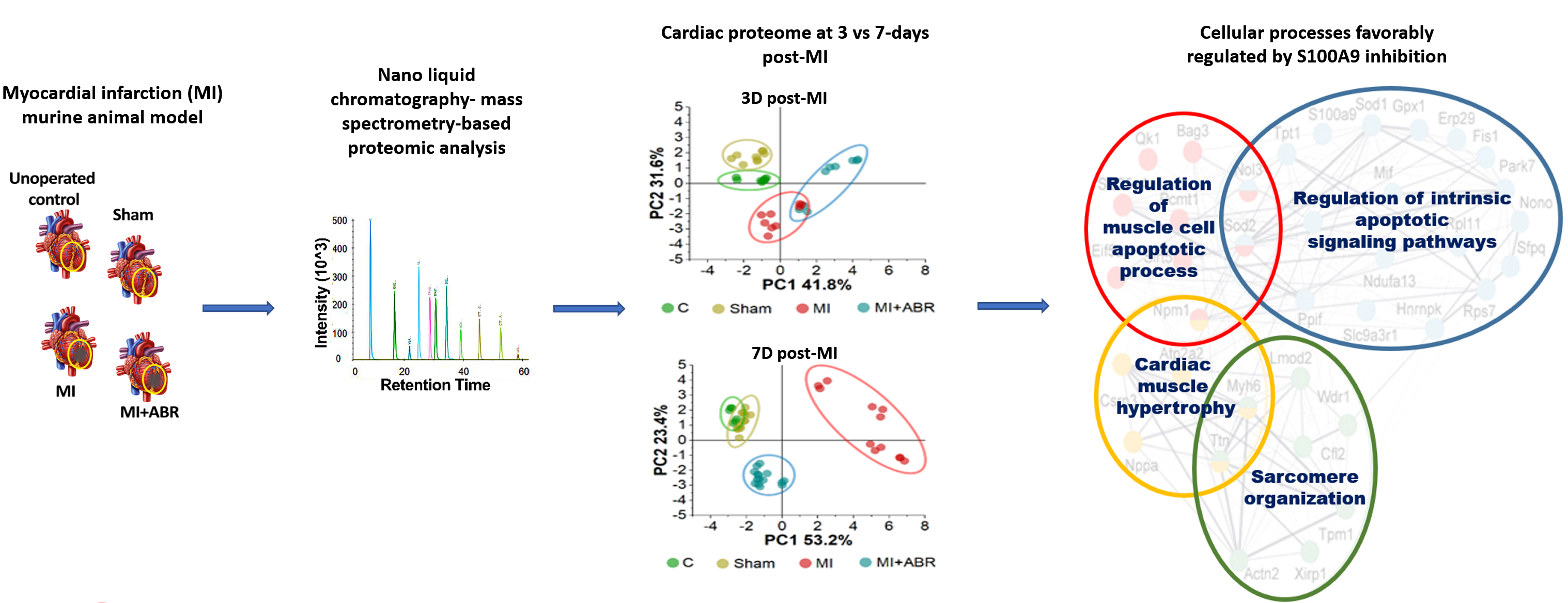
We hypothesized that a S100A9 blockade induces changes of major signaling pathways implicated in post-MI healing. Mice were subjected to myocardial infarction (MI) by permanent left coronary artery ligation. The S100A9 blocker (ABR-23890) was given for 3 days after the procedure. At 3- and 7-days post-MI, ventricle samples were analyzed versus control and Sham-operated mice. Blockade of S100A9 modulated the expressed proteins involved in five biological processes: leukocyte cell-cell adhesion, regulation of the muscle cell apoptotic process, regulation of the intrinsic apoptotic signaling pathway, sarcomere organization and cardiac muscle hypertrophy. These processes could be valuable new pharmacological targets for the treatment of ischemic heart.
DOI: 10.3390/ijms23095289
Regulated cell death joins in atherosclerotic plaque silent progression
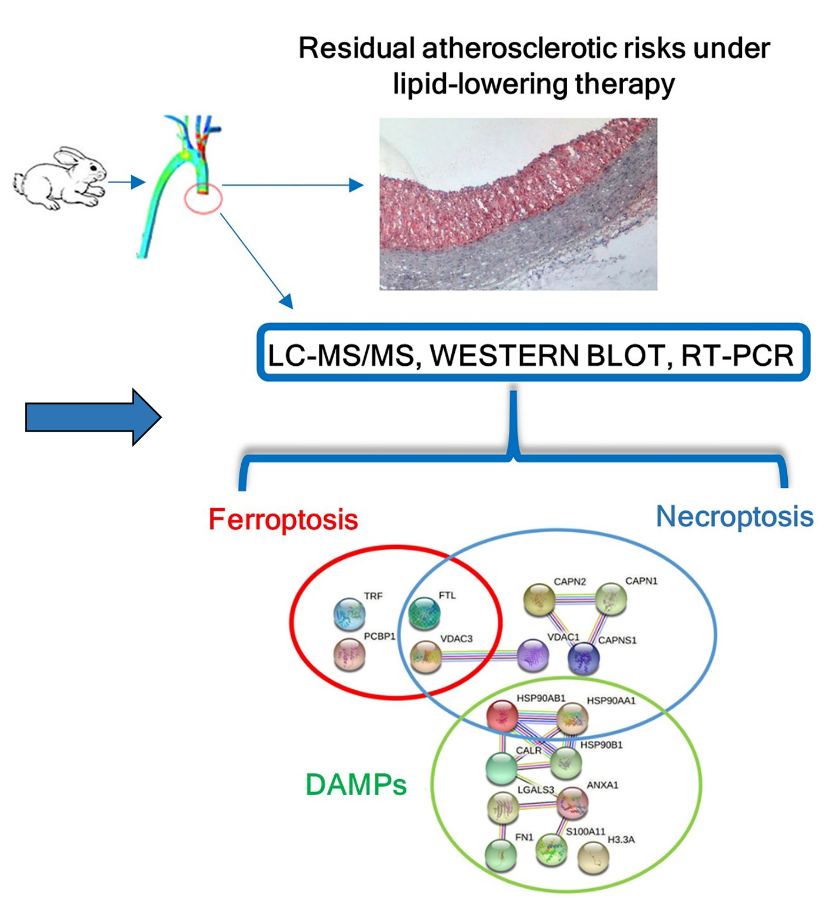
We hypothesized that DAMPs and non-apoptotic regulated cell death are critical players of atherosclerotic plaque progression with inadequate response to lipid-lowering treatment. We aimed to uncover the silent mechanisms that govern the existing residual risk of cardiovascular-related mortality in experimental atherosclerosis. Proteomic and genomic approaches were applied on the ascending aorta of hyperlipidemic rabbits and controls with and without lipid-lowering treatment. The hyperlipidemic animals, which presented numerous heterogeneous atherosclerotic lesions, exhibited high concentrations of serum lipids and increased lipid peroxidation oxidative stress markers. The analyses revealed the significant upregulation of DAMPs and proteins implicated in ferroptosis and necroptosis under hyperlipidemia.
DOI: 10.1038/s41598-022-06762-y
Cardiac Alarmins as Residual Risk Markers of Atherosclerosis under Hypolipidemic Therapy
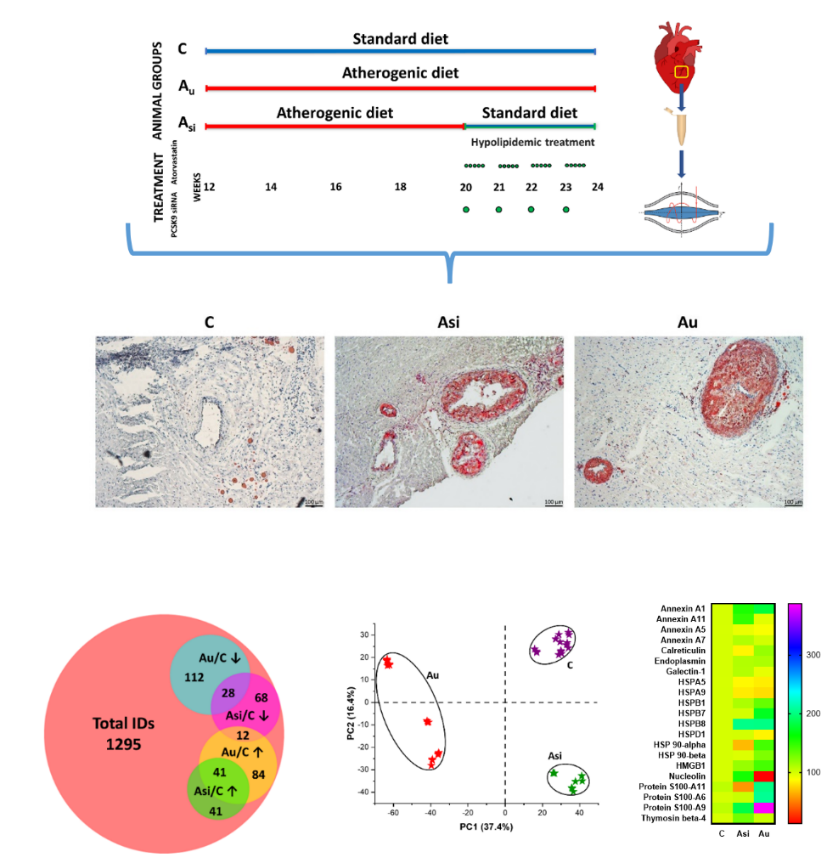
Although statin treatment can effectively lower the main atherosclerotic risk factor (increased levels of low-density lipoproteins), there is still a residual threat of cardiovascular events. We hypothesized that a specific panel of stress-sensing molecules (alarmins) could indicate the persistence of silent atherosclerosis residual risk. Mass spectrometry experiments of left ventricle lysates harvested from control, atherosclerotic and treated atherosclerotic New Zealand White rabbits were complemented by immunologic and genomic studies to corroborate the data. The hyperlipidemic diet determined a general alarmin up-regulation tendency over the control group. A significant spectral abundance increase was measured for specific heat shock proteins, S100 family members, HMGB1, and Annexin A1. The hypolipidemic treatment demonstrated a reversed regulation trend with non-significant spectral alteration over the C group for some of the identified alarmins.
Proteomics of regenerated tissue in response to a titanium implant with a bioactive surface in a rat tibial defect model
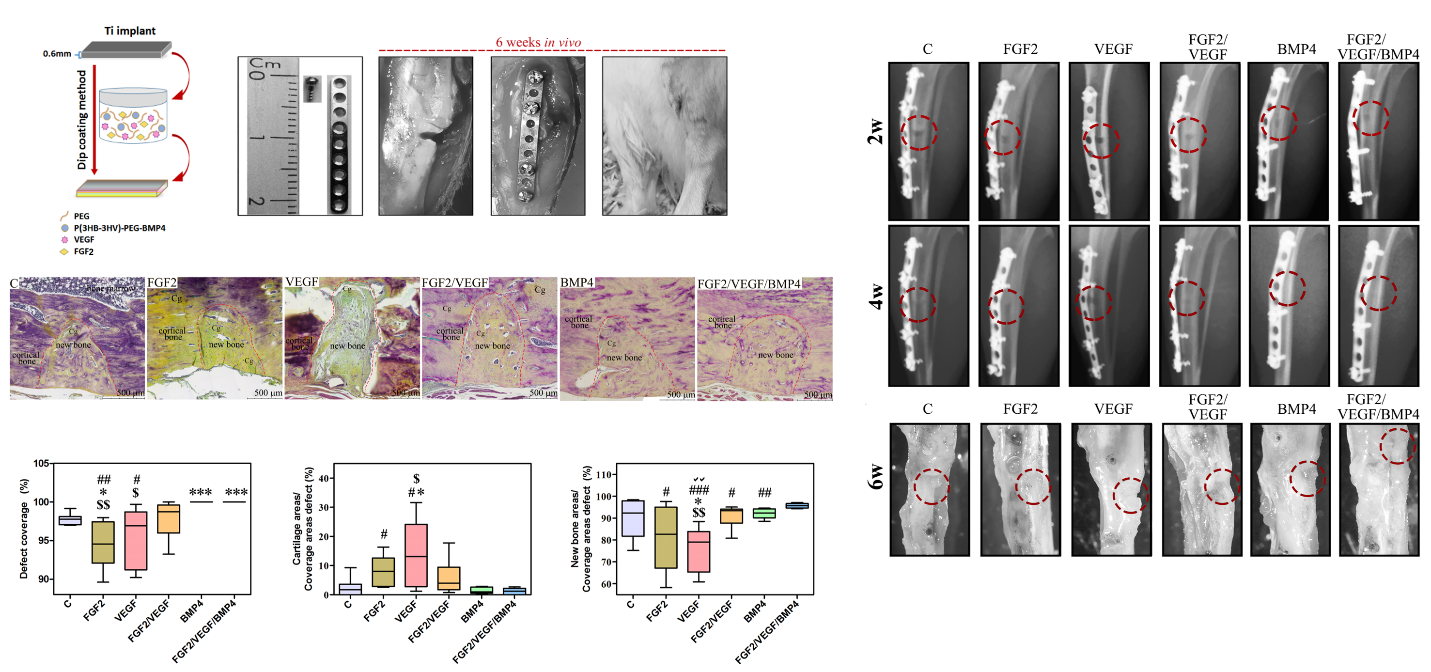
Due to their excellent mechanical and biocompatibility properties, titanium-based implants are successfully used as biomedical devices. However, when new bone formation fails for different reasons, impaired fracture healing becomes a clinical problem and affects the patient's quality of life. We aimed to design a new bioactive surface of titanium implants with a synergetic PEG biopolymer-based composition for gradual delivery of growth factors (FGF2, VEGF, and BMP4) during bone healing. The optimal architecture of non-cytotoxic polymeric coatings deposited by dip coating under controlled parameters was assessed both in cultured cells and in a rat tibial defect model (100% viability). Notably, the titanium adsorbed polymer matrix induced an improved healing process when compared with the individual action of each biomolecule. High-performance mass spectrometry analysis demonstrated that recovery after a traumatic event is governed by specific differentially regulated proteins, acting in a coordinated response to the external stimulus. The proposed functional polymer coatings of the titanium implants demonstrated the significant improvement of bone healing process after injury.
DOI: 10.1038/s41598-020-75527-2
Proteomic Analysis of Estrogen-Mediated Enhancement of Mesenchymal Stem Cell-Induced Angiogenesis In Vivo
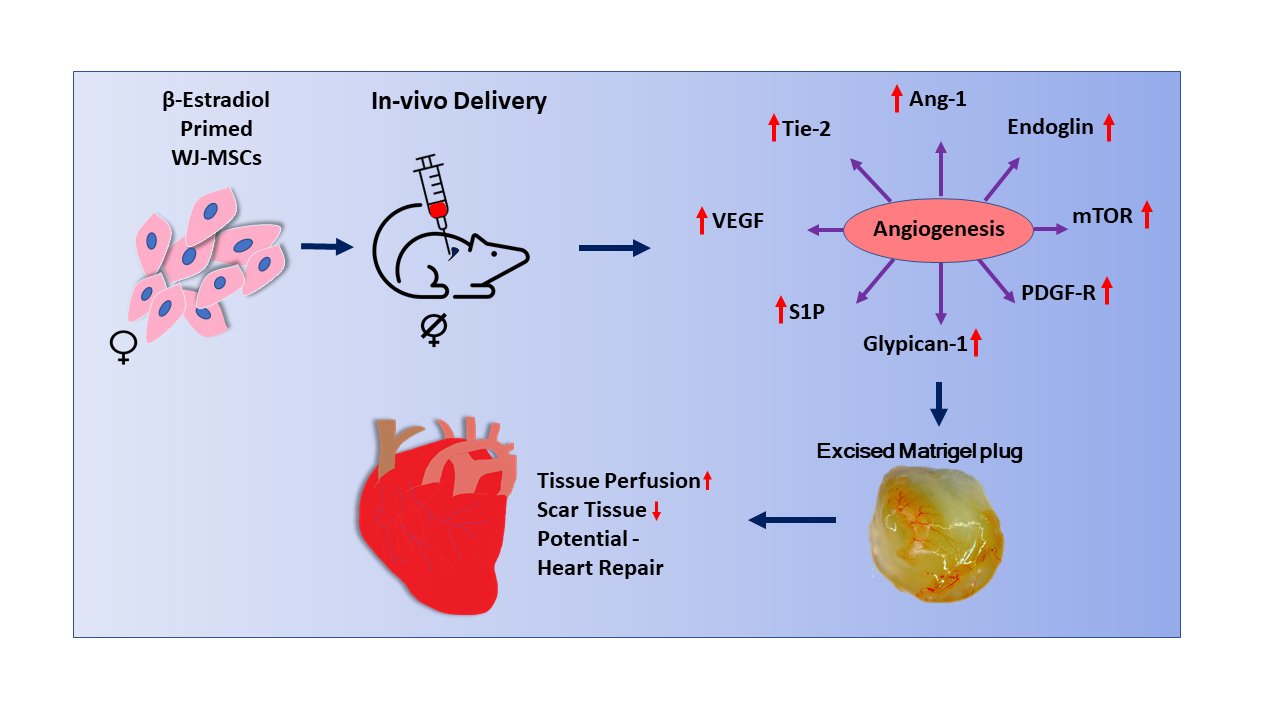
Therapeutic use of mesenchymal stem cells (MSCs) for tissue repair has great potential. MSCs from multiple sources, including those derived from human umbilical matrix, namely Wharton’s jelly, may serve as a resource for obtaining MSCs. However, low in vivo engraftment efficacy of MSCs remains a challenging limitation. To improve clinical outcomes using MSCs, an in-depth understanding of the mechanisms and factors involved in successful engraftment is required. Using a proteomics approach, we investigated the angiogenic potential of MSCs in vivo and the modulatory actions of 17β-estradiol on mechanisms involved in tissue repair. The LC-MS screening of proteins obtained from the excised Matrigel plugs from ovariectomized mice revealed 71 proteins that were significantly altered following E2 exposure, 57 up-regulated proteins and 14 down-regulated proteins. A major result was the association of over 100 microRNA molecules (miRNAs) involved in cellular communication, vesicle transport, and metabolic and energy processes, and the high percentage of approximately 25% of genes involved in unknown biological processes. Together, these data provide evidence for increased angiogenesis by MSCs treated with the sex hormone 17β-estradiol. In conclusion, 17β-estradiol treatment may increase the engraftment and repair potential of MSCs into tissue, and may promote MSC-induced angiogenesis after tissue injury.
Endoplasmic Reticulum Chaperones Are Potential Active Factors in Thyroid Tumorigenesis
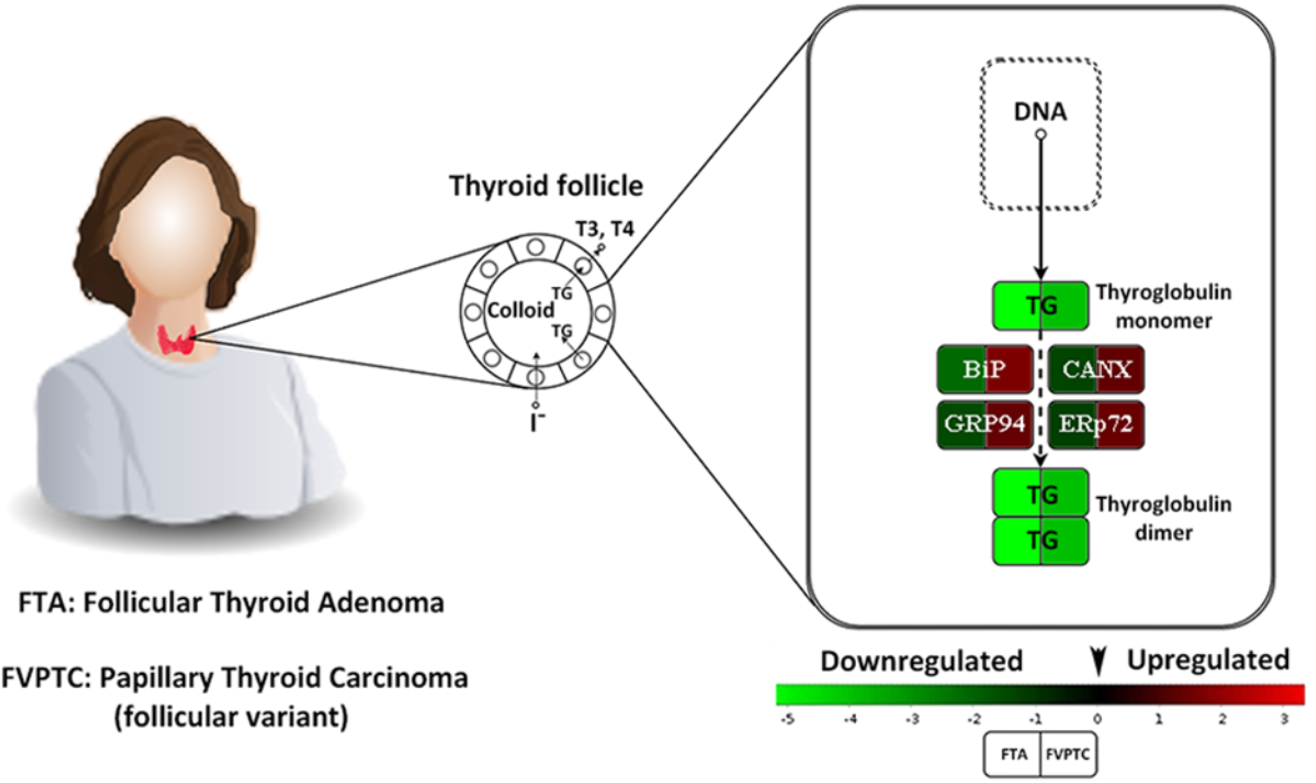
The study aimed to evaluate the proteomic changes in benign follicular adenoma versus malignant follicular variant of papillary thyroid carcinoma. Tumor and nontumor adjacent samples were analyzed by liquid nano-chromatography mass spectrometry, and protein abundance was evaluated by label-free quantification. Western blotting and quantitative real-time polymerase chain reaction were used to validate and complement the mass spectrometry data. The results demonstrated deregulated expression of four endoplasmic reticulum chaperones (78 kDa glucose-regulated protein, endoplasmin, calnexin, protein disulfide-isomerase A4), glutathione peroxidase 3 and thyroglobulin, all of them involved in thyroid hormone synthesis pathway. The altered tissue abundance of endoplasmic reticulum chaperones in thyroid cancer was correlated with serum expression levels. The identified proteins significantly discriminate between adenoma and carcinoma in both thyroid tissue and corresponding sera
DOI: 10.1021/acs.jproteome.6b00567
Proteomics